
 Top Guide
Transform Your Home’s Exterior The Perfect Timing for Pressure Washing in Los Angeles
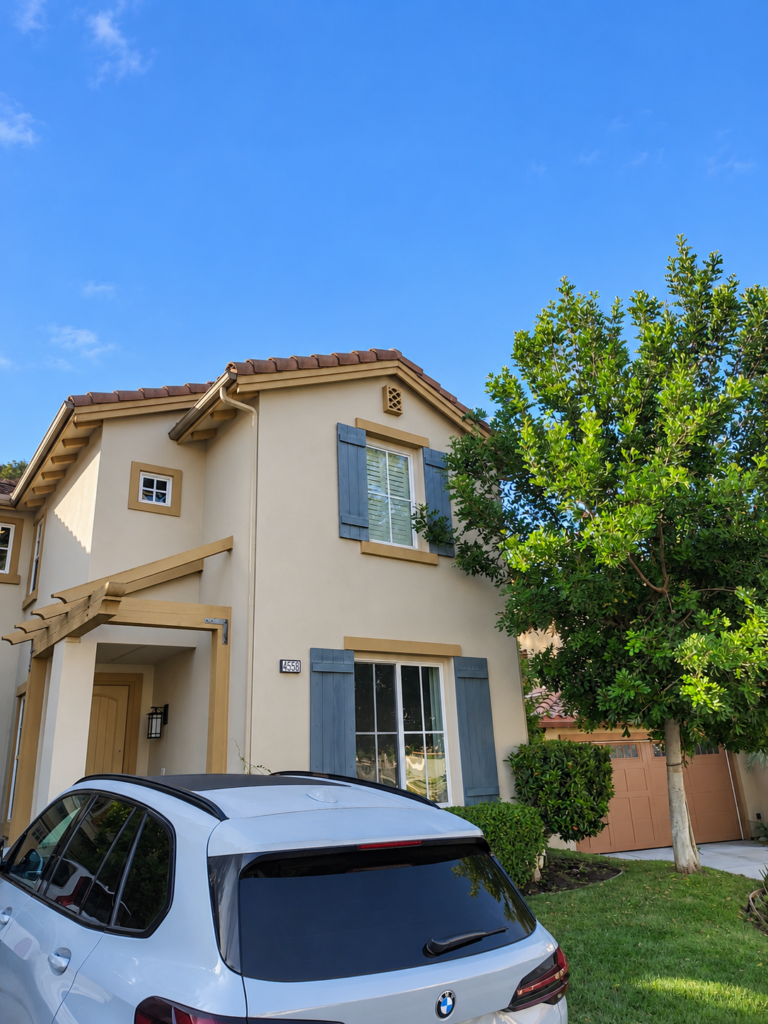
Understanding Pressure Washing and Its Transformation PowerPressure washing is one of the most dramatic home exterior restoration services available to homeowners. Unlike traditional cleaning methods that rely on scrubbing and chemicals, professional pressure washing uses...
 Latest / What’s New
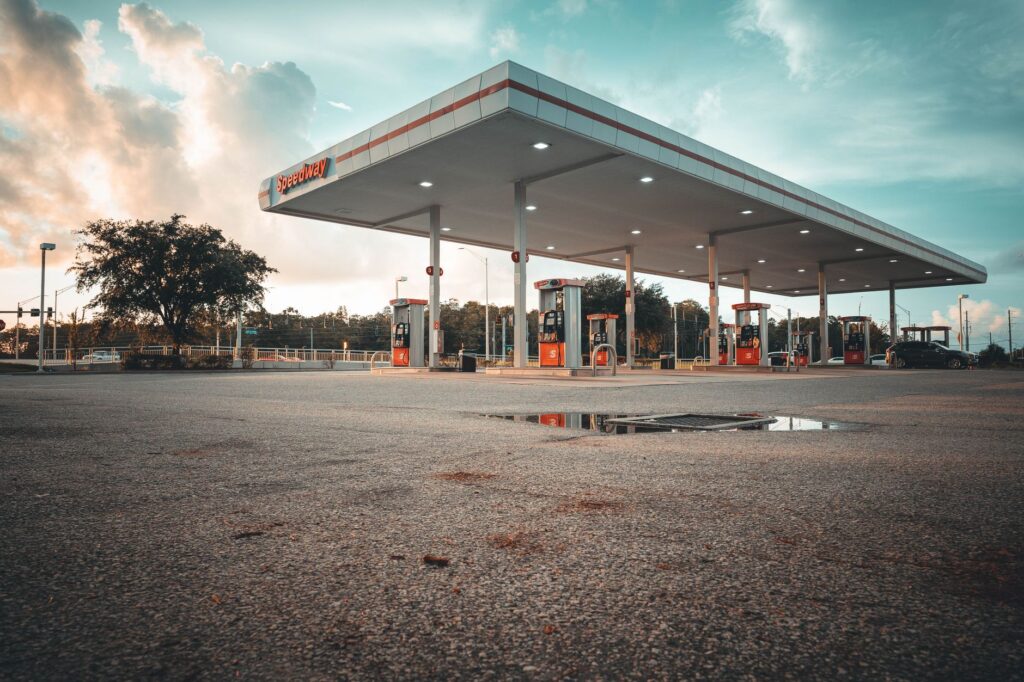
How Clean Parking Lots Protect Your Commercial Property Value in Oxnard
The Hidden Asset You’re Not Protecting: Your Parking Lot Your commercial parking lot is more than just asphalt and parking spaces. It’s...
 Latest / What’s New
The Seasonal Window for Pressure Washing Your Home Before Sale in Los Angeles
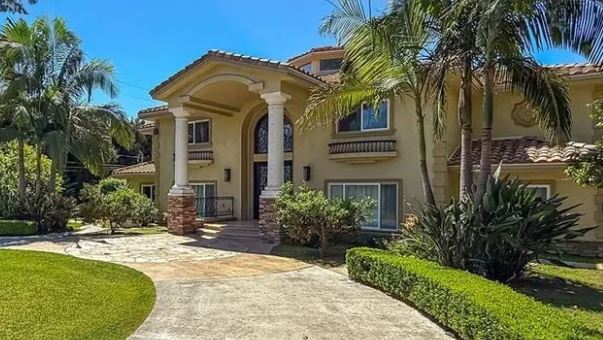
Why Seasonal Timing Matters for Pre-Sale Pressure Washing If you’re planning to sell your home in Los Angeles or Ventura County, one...
 Latest / What’s New
How Much Does Concrete Sealing Cost After Pressure Washing in Los Angeles?
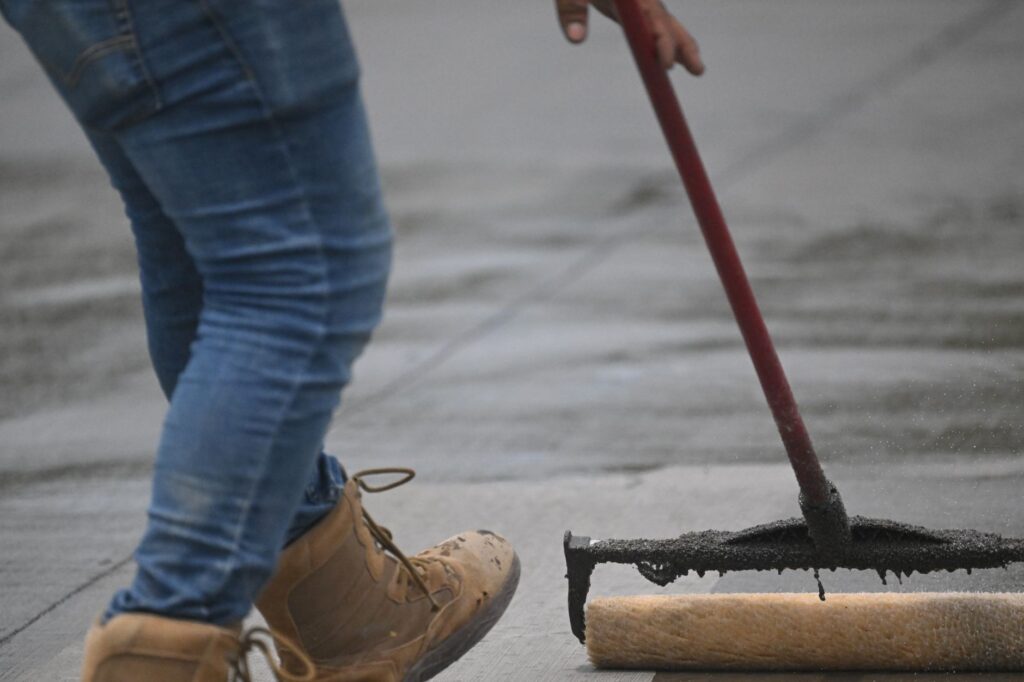
Understanding Concrete Sealing Costs in Los Angeles When you invest in professional pressure washing for your driveway, patio, or walkway, the next...
 Latest / What’s New
The 7 Critical Mistakes HOAs Make With Exterior Maintenance Planning in Calabasas and Thousand Oaks
Understanding HOA Community Exterior Maintenance As an HOA board member or property manager in Calabasas or Thousand Oaks, you already know that...
 Latest / What’s New
Transform Your Ventura County Home Before and After Algae Stain Removal Results
Understanding Algae Stains on House Siding Algae stains are one of the most common yet frustrating problems homeowners face in Ventura County....
 Latest / What’s New
Transform Your Pool Cage & Lanai See the Stunning Before & After Results LA Homeowners Are Getting
What Is Pool Cage and Lanai Cleaning? A pool cage or lanai is more than just a structure—it’s an outdoor extension of...
Latest / What’s NewTransform Your Home’s Exterior The Perfect Timing for Pressure Washing in Los Angeles
Understanding Pressure Washing and Its Transformation Power
Pressure washing is one of the most dramatic home exterior restoration services available to homeowners. Unlike traditional cleaning methods that rely on scrubbing and chemicals, professional pressure washing uses high-powered water jets to remove years of built-up dirt, mold, mildew, algae, and grime from your home’s exterior surfaces. The transformation from a dull, weathered facade to a bright, clean exterior can be truly remarkable.
When homeowners in Los Angeles see before-and-after photos of pressure-washed homes, they’re often amazed at how dramatically the cleaning can refresh a property’s appearance. Driveways return to their original color, siding looks like new again, and the overall curb appeal increases substantially. This isn’t just about aesthetics—a clean exterior also protects your property from long-term damage caused by organic growth and environmental contaminants.
Why Homeowners Need Professional Pressure Washing
Los Angeles homes face unique environmental challenges that make regular pressure washing essential. The region’s proximity to the ocean means salt spray can corrode and discolor exterior surfaces. The dry climate allows dust and dirt to accumulate heavily, while occasional rain can create conditions perfect for mold and mildew growth on shaded areas.
Over time, your home’s exterior accumulates layers of contamination that regular rinsing cannot remove. This buildup not only makes your home look tired and neglected but can also lead to structural damage. Paint begins to peel, wood surfaces develop rot, and concrete becomes stained and compromised. Professional pressure washing addresses these issues before they become expensive problems, protecting your investment and maintaining your property’s value.
Seasonal Timing Matters for Best Results
The timing of your pressure washing service significantly impacts the quality of results you’ll achieve. In Los Angeles, spring and early fall represent the optimal windows for scheduling pressure washing. Spring cleaning takes advantage of the season’s mild temperatures and lower humidity, allowing surfaces to dry properly after cleaning. This timing also catches and removes winter grime and prepares your home for the active summer months.
Early fall, from August through October, offers another excellent opportunity. Summer heat has created ideal conditions for mold and mildew growth in shaded areas, and pressure washing during this period prevents these organisms from causing long-term damage. The cooler temperatures mean water evaporates at a controlled rate, ensuring thorough drying and optimal adhesion if you’re planning follow-up treatments like sealing or painting.
Late spring through mid-summer can work, but avoid the hottest parts of summer when intense heat may cause problems with certain materials and make the work uncomfortable for service providers. Winter is generally less ideal in Los Angeles since occasional heavy rain could negate the cleaning benefits immediately after service.
What Weather Conditions Support Best Pressure Washing
Beyond seasonal considerations, specific weather conditions influence pressure washing success. Clear days with temperatures between 60 and 85 degrees Fahrenheit are ideal. These conditions allow surfaces to dry properly and enable the pressure washing team to work safely and effectively. Los Angeles’s typically sunny weather makes scheduling convenient, though you’ll want to avoid scheduling during the rare rainy periods or immediately before predicted rain.
Humidity levels also matter. Lower humidity helps surfaces dry faster, preventing water spots and allowing you to assess the complete results of the cleaning. High winds can be problematic because they can blow water and debris around, creating safety concerns and reducing cleaning efficiency.
Before and After: The Visible Transformation
The most compelling reason to schedule pressure washing is seeing the dramatic before-and-after transformation. Driveways and walkways typically show the most dramatic changes. A driveway that appeared dark, stained, and aged can return to nearly its original color and condition. Oil stains, rust marks, and accumulated grime disappear, revealing clean concrete or pavement beneath.
House siding transformations are equally impressive. Vinyl, stucco, or wood siding that appeared dingy and weathered regains its brightness and color vibrancy. Mold and mildew that darkened shaded walls completely disappear. Roof cleaning reveals the true color of your roofing material while removing dangerous moss and algae growth. Fence and deck surfaces show similar dramatic improvements, returning to their natural beauty.
Patios and pool areas showcase the power of pressure washing as well. Concrete and pavers that were dark with algae and mold growth become bright and inviting again. These visual transformations directly impact your home’s curb appeal and can significantly influence property valuations.
What to Look for in a Professional Pressure Washing Provider
Not all pressure washing services deliver the same results. When choosing a provider in Los Angeles and Ventura County, look for companies that use professional-grade equipment and demonstrate expertise across multiple surface types. Different materials—wood, vinyl, stucco, concrete, asphalt, and tile—require different pressure levels and techniques to achieve optimal results without causing damage.
Reputable providers use eco-friendly cleaning solutions that remove contaminants effectively while protecting your landscaping and local water systems. They should offer insurance and guarantees on their work, and they’ll conduct site assessments to determine the best approach for your specific surfaces and cleaning needs.
Check for companies that offer comprehensive services beyond basic house washing. The best providers handle driveway cleaning, roof cleaning, fence washing, concrete cleaning, and full property exterior restoration. This diversity indicates deep expertise and the ability to transform your entire property.
Cost Guidance for Pressure Washing Services
Pressure washing costs in Los Angeles vary based on property size, surface conditions, and the scope of work. Basic house exterior washing typically ranges from $300 to $800, depending on square footage and dirtiness level. Driveway cleaning generally costs $200 to $500. Roof cleaning, which requires specialized equipment and expertise, typically ranges from $400 to $1,200.
Full property exterior cleaning packages often provide better value than individual services. While costs may seem significant upfront, consider this an investment in property protection and maintenance. Professional pressure washing prevents expensive repairs and maintains your home’s market value. Many homeowners find the before-and-after results justify the investment immediately.
Schedule Your Pressure Washing Transformation Today
If your Los Angeles or Ventura County home’s exterior is looking weathered and dull, professional pressure washing can deliver the dramatic transformation you’re envisioning. Spring and early fall represent your best opportunities to schedule service and achieve optimal results. The difference between a tired-looking property and a brilliantly clean, well-maintained home can be achieved in just one day of professional pressure washing.
Contact Mr. Clean Pressure Washing today to schedule a consultation and see how we can transform your property’s exterior. Our experienced team uses professional-grade equipment and eco-friendly solutions to deliver stunning before-and-after results across residential and commercial properties throughout Los Angeles and Ventura County.
Latest / What’s NewHow Clean Parking Lots Protect Your Commercial Property Value in Oxnard
The Hidden Asset You’re Not Protecting: Your Parking Lot
Your commercial parking lot is more than just asphalt and parking spaces. It’s the first impression prospective clients, tenants, and customers have of your business. Over time, oil stains, dirt buildup, and weathering can make even a well-maintained property look neglected and unprofessional. In Oxnard’s coastal climate, saltwater exposure and UV rays accelerate surface degradation, making regular maintenance critical for preserving your property’s curb appeal and value.
Commercial property managers and business owners often overlook parking lot condition because the damage happens gradually. But studies show that clean, well-maintained commercial properties command higher rental rates, attract quality tenants, and sell for more money. A parking lot covered in dark oil stains sends the wrong message about your business standards and attention to detail.
Why Oil Stains Cost You Money Long-Term
Oil and fluid stains don’t just look bad—they signal deeper problems. Prospective tenants and buyers interpret stained parking lots as signs of poor maintenance across the entire property. Commercial real estate brokers report that properties with stained, dirty parking areas take longer to lease and sell for significantly less than identical properties with clean lots.
Beyond aesthetics, oil stains actually damage asphalt. The chemicals in motor oil break down the binder in asphalt, causing premature cracking, potholes, and surface deterioration. Left untreated, small oil stains become major structural problems requiring expensive resurfacing. Regular professional cleaning removes oils before they penetrate deep into the pavement, extending your lot’s lifespan by years and saving thousands in future repairs.
What Professional Parking Lot Cleaning Actually Involves
Professional commercial parking lot cleaning is a specialized service that goes far beyond a standard pressure wash. The process begins with inspection to identify oil stains, rust spots, tire marks, debris accumulation, and surface damage.
Pre-Treatment and Assessment
Experienced cleaning contractors evaluate stain severity and age. Fresh oil stains respond differently to treatment than old, oxidized stains that have penetrated asphalt. They’ll identify the best approach—whether enzymatic cleaners, degreasing solutions, or pressure washing techniques are most appropriate for your specific situation.
Specialized Stain Removal Techniques
Eco-friendly degreasing solutions break down oil and petroleum residue without harming groundwater or nearby landscaping. Professional equipment applies these solutions at the right pressure and temperature to dissolve stains effectively. This isn’t something a standard pressure washer can handle—the chemistry and application method matter enormously.
Complete Lot Cleaning
While addressing stains, professionals also remove dirt, debris, sand, and weathered coating buildup from the entire lot surface. This comprehensive approach restores the original color and finish of your asphalt, making the property look newer and better maintained.
Sealant Application
Many professional services finish with optional sealcoating—a protective layer that shields asphalt from UV damage, water infiltration, and future oil absorption. This preventative measure extends pavement life and makes future stain removal easier.
How Curb Appeal Directly Impacts Property Value
Commercial real estate professionals understand that curb appeal influences both immediate perceptions and long-term valuations. A clean parking lot contributes to the overall package that determines your property’s marketability and value.
When commercial properties undergo appraisals, inspectors evaluate the condition of all exterior elements—including parking areas. Properties with stained, deteriorating lots receive lower valuations because potential buyers and tenants factor in anticipated repair costs. Conversely, properties with spotless, well-maintained parking areas appraise higher and attract multiple interested parties.
If you’re planning to lease commercial space, refinance, sell, or refinance your property in Oxnard, a clean parking lot becomes an investment that pays back through better terms, higher valuations, and faster transactions.
What to Look for in an Oxnard Parking Lot Cleaning Provider
Not all pressure washing companies are equipped to handle commercial parking lot cleaning and oil stain removal. Here’s what separates qualified professionals from general contractors:
- Commercial-grade equipment specifically designed for large asphalt surfaces and tough stain removal
- Experience with eco-friendly, environmentally compliant cleaning solutions approved for Ventura County
- Proven track record cleaning commercial properties similar to yours—office parks, retail centers, apartment complexes, or industrial facilities
- Insurance and licensing appropriate for commercial work
- Understanding of local environmental regulations regarding runoff and wastewater disposal
- Ability to work around tenant schedules and business operations with minimal disruption
- References from property managers and business owners, not just residential customers
Cost Expectations for Commercial Parking Lot Services
Pricing for commercial parking lot cleaning varies based on lot size, stain severity, frequency of service, and your location within Oxnard. However, understanding the general investment helps you budget appropriately.
One-time deep cleaning of a typical commercial parking lot (10,000-15,000 square feet) generally ranges from $500 to $2,000, depending on stain intensity and treatment requirements. Heavily stained lots requiring specialized degreasers and multiple treatment passes may cost more. Routine maintenance cleaning, performed quarterly or semi-annually to prevent stain buildup, typically costs $300-$800 per visit.
Consider these costs as property maintenance investments rather than expenses. The return comes through higher property valuations, faster tenant leasing, improved business image, and extended asphalt lifespan. A $1,500 professional cleaning that prevents a $15,000 resurfacing project three years earlier is money well spent.
The Seasonal Factor: Why Oxnard’s Climate Demands Regular Attention
Oxnard’s coastal location creates unique maintenance challenges. Salt spray accelerates deterioration, UV rays oxidize asphalt surfaces, and sporadic heavy rains can cause oil and debris accumulation. These factors mean Oxnard commercial properties benefit from more frequent cleaning than inland locations.
Spring and fall are ideal times for comprehensive parking lot cleaning in Oxnard. Spring cleaning removes winter accumulation and salt residue. Fall cleaning prepares your property for increased moisture during rainy season and winter months. Scheduling regular service prevents stains from becoming deeply embedded in asphalt.
Ready to Restore Your Parking Lot’s Curb Appeal?
Your commercial parking lot deserves professional attention from a company that understands the connection between clean exteriors and property value. Mr. Clean Pressure Washing specializes in commercial parking lot cleaning and oil stain removal throughout Oxnard and Ventura County, using professional-grade equipment and eco-friendly solutions that protect your investment while respecting the environment.
Don’t let oil stains and dirt diminish your property’s value and first impression. Contact Mr. Clean Pressure Washing today for a free assessment of your commercial parking lot. Our team will evaluate current conditions, recommend the best cleaning approach, and provide transparent pricing so you can make informed decisions about your property’s maintenance. Call now to schedule service and discover how professional cleaning transforms your commercial space.
Latest / What’s NewThe Seasonal Window for Pressure Washing Your Home Before Sale in Los Angeles
Why Seasonal Timing Matters for Pre-Sale Pressure Washing
If you’re planning to sell your home in Los Angeles or Ventura County, one critical factor often gets overlooked: the timing of your exterior cleaning. Many sellers make the mistake of waiting until their home is listed to address dirty driveways, grimy siding, and weathered patios. The reality is that seasonal conditions—temperature, humidity, and real estate market cycles—dramatically affect both the effectiveness of pressure washing and your home’s appeal to potential buyers.
The Los Angeles real estate market follows predictable seasonal patterns, and savvy sellers align their exterior preparation accordingly. Understanding when to schedule professional pressure washing can mean the difference between a property that languishes on the market and one that generates multiple offers within days.
Spring: The Critical Pre-Listing Window
March through May represents the most competitive selling season in Southern California. Buyers are actively searching, and homes that appear fresh and well-maintained dominate the market. However, this also means you need to schedule pressure washing well before your listing goes live—typically 4 to 6 weeks prior.
Spring cleaning accumulated winter grime, pollen, and residue from Los Angeles’s dry season. Your home has likely accumulated months of dust settling on siding, concrete surfaces, and outdoor living areas. Professional pressure washing at this time removes what casual sweeping and garden hoses cannot reach, revealing the true condition and color of your home’s exterior.
The urgency here is real: if you wait until April or May to book a service, you’ll compete with hundreds of other homeowners and property managers doing the same thing. Reputable pressure washing companies book appointments weeks in advance during spring. Scheduling in late February or early March ensures your home is photo-ready when your real estate agent schedules professional photography—typically 10 to 14 days before listing publication.
Fall: The Secondary Market Advantage
September through November offers a second selling window with less competition but equally motivated buyers. Fall is when relocating professionals and families finalize their moves and when investors actively purchase properties before year-end tax considerations.
Fall pressure washing addresses summer wear: baked-on dirt, tree sap residue, and dust from outdoor entertaining season. Los Angeles’s Santa Ana winds in late summer and early fall leave substantial debris and film on exterior surfaces. A fall cleaning transforms a property that’s been lived-in all summer into something that looks newly refreshed and professionally maintained.
The advantage of fall timing is reduced booking pressure. Many homeowners forget that September through November are still strong selling months, so professional pressure washing services typically have more availability than they do in spring. This means you can often schedule appointments faster and sometimes negotiate better rates with experienced providers who need to maintain consistent work flow.
What Professional Exterior Cleaning Actually Does for Sale Value
When you hire a professional pressure washing company like Mr. Clean Pressure Washing, you’re not just removing dirt—you’re preparing your home for the most critical evaluation it will receive: the buyer’s first walkthrough and the professional home inspection.
High-pressure washing of driveways and patios removes years of accumulated dirt, algae, and oxidation that make concrete look aged and neglected. Roof cleaning eliminates moss, algae, and debris that signal poor maintenance to buyers and inspectors. House washing removes siding discoloration and grime that create a dull, tired appearance. Fence washing brightens wooden and vinyl barriers that often define a property’s character and curb appeal.
Real estate agents consistently report that professionally cleaned exteriors lead to higher perceived property value. Buyers make split-second judgments during drive-bys and first walkthrough moments. A clean, bright exterior suggests a well-maintained home, which translates directly into confidence in your asking price and reduced price negotiation during offers.
Cost Expectations and Seasonal Pricing
Exterior cleaning costs in Los Angeles and Ventura County vary based on property size, specific services, and season. For a typical residential home, expect to budget between $400 and $1,200 for comprehensive exterior pressure washing including house, driveway, patio, and deck cleaning.
Spring pricing tends toward the higher end of the spectrum due to demand. A standard 2,000 square-foot home exterior cleaning might cost $800 to $1,000 in April but $600 to $800 in September. If you’re flexible on timing, scheduling in fall or early winter can reduce your pre-sale preparation costs by 15 to 25 percent.
Roof cleaning typically costs $300 to $600 depending on pitch and debris level. Specialized services like fence restoration might add $200 to $400. Professional pressure washing companies provide free estimates, so requesting quotes from multiple providers helps establish realistic budgets specific to your property.
What to Look for in a Professional Pressure Washing Provider
Choosing the right company matters more during pre-sale preparation than at other times. You need providers who understand that speed and results both matter when your home is about to be shown to potential buyers.
Look for companies that offer eco-friendly cleaning solutions. Many Los Angeles and Ventura County neighborhoods enforce water conservation standards and chemical restrictions. Licensed, insured providers protect your property liability and demonstrate professional accountability. Request references specifically from properties prepared for sale, as these projects have higher standards than routine maintenance.
Ask about equipment quality and technique. Professional-grade pressure washing equipment safely cleans various surfaces without causing damage to siding, wood, or delicate landscaping. Companies should explain their approach for different surfaces and never use one aggressive technique across your entire property.
Timing transparency is also critical. Confirm that your chosen provider can accommodate scheduling well before your target listing date and that they clearly communicate when work will be completed and when surfaces will be fully dry and camera-ready for professional photography.
The Timeline for Selling Success
Here’s the practical timeline for seasonal pressure washing before selling in Los Angeles:
- Late February or early March: Contact pressure washing companies for spring appointments, typically 4 to 6 weeks before your target listing date
- Mid-March: Schedule professional pressure washing to be completed by mid-April
- Late April or early May: Coordinate professional real estate photography on freshly cleaned exteriors
- Mid-May onward: List your home with photographs showing pristine exterior conditions
For fall selling, compress this timeline by 6 to 8 weeks: contact companies by mid-July, schedule for August, complete photography by late August, and list in early September.
Don’t Miss Your Seasonal Window
The cost difference between pressure washing well before listing versus rushing to clean after listing goes live isn’t just financial—it’s about market position. Homes with professional photography showing clean, bright exteriors generate more buyer interest, command higher asking prices, and close faster. Seasonal timing ensures you hit the market at the exact moment when demand is highest and your home’s appearance is at its absolute best.
Whether you’re planning a spring sale or targeting the fall market in Los Angeles or Ventura County, the time to schedule professional exterior cleaning isn’t when your home goes on the market—it’s right now, aligned with seasonal demand and weather patterns that maximize results.
Latest / What’s NewHow Much Does Concrete Sealing Cost After Pressure Washing in Los Angeles?
Understanding Concrete Sealing Costs in Los Angeles
When you invest in professional pressure washing for your driveway, patio, or walkway, the next logical step is protecting that freshly cleaned surface with a quality sealant. Concrete sealing after pressure washing in Los Angeles typically ranges from $0.50 to $3.00 per square foot, depending on several pricing factors specific to your property and the sealing product chosen. For an average 500-square-foot driveway, homeowners can expect to pay between $250 and $1,500 for professional concrete sealing services.
What Is Concrete Sealing and Why It Matters
Concrete sealing is a protective coating applied to freshly pressure-washed concrete surfaces to prevent water penetration, staining, and deterioration. After pressure washing removes dirt, algae, and contaminants from your concrete, the surface becomes more porous and vulnerable to damage from Los Angeles’s intense UV rays, occasional rain, and vehicle traffic. A quality sealant creates a barrier that extends the lifespan of your concrete by 5 to 10 years while maintaining that clean appearance you just paid to achieve.
Without sealing, your newly cleaned concrete will begin accumulating stains within weeks, and water damage can lead to cracking and surface deterioration within months. This is why sealing after pressure washing represents one of the smartest investments a Los Angeles homeowner can make.
Key Pricing Factors That Affect Your Sealing Costs
Square Footage and Surface Area
The primary cost driver for concrete sealing is the total area requiring treatment. Los Angeles properties vary significantly in size, from compact urban driveways to expansive commercial parking lots. Most contractors calculate pricing per square foot, which means accurately measuring your concrete surfaces is essential for getting accurate quotes. A 300-square-foot patio will cost substantially less than a 2,000-square-foot driveway.
Type of Sealer Product
Concrete sealers come in multiple formulations, each with different price points and performance characteristics. Acrylic sealers, the most affordable option, typically cost $0.50 to $1.00 per square foot but require reapplication every 1 to 3 years. Polyurethane sealers, mid-range options priced at $1.00 to $2.00 per square foot, offer superior durability and UV resistance, lasting 5 to 7 years. Epoxy sealers, the premium choice at $2.00 to $3.00 per square foot, provide maximum protection and can last 10+ years, making them popular for high-traffic commercial properties throughout Los Angeles and Ventura County.
Concrete Surface Condition
The condition of your concrete after pressure washing affects application complexity and overall pricing. Smooth, well-maintained surfaces are quicker and cheaper to seal. If your concrete has cracks, spalling, or significant wear, repairs may be necessary before sealing can begin, adding $200 to $500 or more to your total project cost.
Location and Travel Distance
Pricing in Los Angeles varies by neighborhood and distance from the service provider’s base of operations. Properties in central Los Angeles typically have lower travel costs than those in distant areas of Ventura County. Some contractors include travel fees in their estimates, while others factor distance into their per-square-foot pricing.
Sealer Application Method
Professionals can apply concrete sealers by roller, brush, or spray application. Spray application often costs slightly more but provides more even coverage and is faster for large areas. Roller and brush application, more economical choices, work well for smaller patios and driveways.
Typical Los Angeles Concrete Sealing Cost Breakdown
To help you budget accurately, here’s what homeowners typically pay for common sealing projects across Los Angeles and Ventura County:
- Small patio (200-300 sq ft) with acrylic sealer: $100-$300
- Average driveway (500 sq ft) with polyurethane sealer: $500-$1,000
- Large driveway (1,000 sq ft) with epoxy sealer: $2,000-$3,000
- Commercial parking lot (5,000 sq ft) with polyurethane sealer: $5,000-$10,000
- Multiple surfaces (driveway + patio + walkway, 1,200 sq ft combined) with mid-grade sealer: $1,200-$2,000
Why Sealing Immediately After Pressure Washing Saves Money Long-Term
The timing of concrete sealing directly impacts overall costs. Pressure-washed concrete is in its optimal state for sealing absorption because the cleaning process opens the concrete’s pores. Waiting weeks or months means your concrete begins accumulating new stains and dirt, potentially requiring light cleaning before sealing, which adds cost.
Additionally, sealing immediately protects your investment in pressure washing. Without sealant protection, that fresh, clean appearance lasts only weeks in the Los Angeles climate. By sealing immediately, you’re preventing costly premature re-cleaning and extending the interval between professional pressure washing visits from 12-18 months to 24-36 months.
What to Look For in a Los Angeles Concrete Sealing Provider
Experience and Certifications
Choose providers who specialize in concrete protection and understand Los Angeles’s specific climate challenges. Look for contractors with 5+ years of experience and certifications from manufacturers of the sealing products they recommend.
Transparent Pricing Models
Reputable providers offer itemized quotes breaking down per-square-foot sealing costs, product type, surface prep requirements, and any additional fees. Avoid contractors who provide vague estimates or resist providing detailed pricing information.
Product Quality and Warranty
Ask about the specific brands and formulations being used. Premium contractors use manufacturer-backed products with written warranties. Expect 1-year to 10-year warranties depending on the sealer type chosen.
Before and After Documentation
Professional sealing contractors should provide photographic documentation of your concrete’s condition before sealing and after application. This protects both you and the contractor.
Maximizing Your Concrete Sealing Investment
After paying for professional sealing, protect your investment through proper maintenance. Avoid parking in the same spot repeatedly, which can wear through sealant prematurely. Clean up spills promptly, especially oil and chemical stains that can penetrate sealant over time. Use a pH-neutral cleaner for routine cleaning, and reapply sealant every 2-3 years for acrylic, 5-7 years for polyurethane, or 7-10 years for epoxy sealers.
Getting Your Concrete Sealing Quote
Professional concrete sealing in Los Angeles doesn’t require guesswork about pricing. Mr. Clean Pressure Washing provides free, detailed estimates for concrete sealing services across Los Angeles and Ventura County. Our transparent pricing includes the specific sealer type recommended for your concrete, precise square footage measurements, and all associated costs so you know exactly what you’re paying for.
Contact Mr. Clean Pressure Washing today for a free concrete sealing estimate. We’ll measure your surfaces, recommend the right sealer for your budget and durability needs, and provide written pricing before any work begins. Protect your pressure-washed concrete investment with professional sealing at competitive Los Angeles pricing.
Latest / What’s NewThe 7 Critical Mistakes HOAs Make With Exterior Maintenance Planning in Calabasas and Thousand Oaks
Understanding HOA Community Exterior Maintenance
As an HOA board member or property manager in Calabasas or Thousand Oaks, you already know that maintaining your community’s exterior appearance directly impacts property values and resident satisfaction. A comprehensive exterior maintenance plan covers everything from house washing and driveway cleaning to roof maintenance, fence washing, and concrete sealing across your entire community.
However, many HOAs approach this critical responsibility with outdated strategies, inconsistent execution, and a lack of professional oversight. The result? Deteriorating properties, costly emergency repairs, resident complaints, and ultimately declining home values throughout the community.
Mistake #1: Waiting Too Long Between Cleaning Cycles
One of the most common errors HOAs make is extending cleaning schedules to save money in the short term. Many boards operate on a two-year or three-year pressure washing cycle, thinking they’re being financially responsible.
This approach backfires dramatically. When exterior surfaces go uncleaned for extended periods, dirt, algae, mold, and mineral deposits become deeply embedded. Professional pressure washing becomes more intensive, more expensive, and potentially damaging to surfaces. Additionally, mold and mildew growth accelerates in our Southern California climate, creating health hazards and aesthetic problems that become harder to reverse.
A strategic annual or semi-annual cleaning schedule actually costs less over time because surfaces require gentler treatment and less intensive labor when maintained regularly.
Mistake #2: Hiring Contractors Without Verified Local Experience
Many HOAs accept the lowest bid from pressure washing companies without verifying their experience with multi-unit residential communities or large commercial properties. This is a false economy that creates serious problems.
Contractors unfamiliar with HOA work often don’t understand the complexities of coordinating access across multiple properties, managing resident scheduling, or handling properties with varying surface types and conditions. They may use inappropriate pressure levels, wrong cleaning solutions, or fail to protect landscaping and vehicles during the process. In Calabasas and Thousand Oaks, where many properties feature expensive finishes, stone work, and sensitive architectural details, this inexperience becomes costly.
Always verify that your contractor has documented experience working with HOAs, understands pressure washing safety standards, and carries appropriate insurance and bonding.
Mistake #3: Using One-Size-Fits-All Cleaning Solutions
Not all exterior surfaces respond well to identical cleaning approaches. Concrete requires different treatment than vinyl siding. Wood fencing needs gentler care than composition shingles. Delicate stone patios demand different solutions than standard driveways.
Many HOAs employ generic pressure washing services that apply the same methodology to every surface, regardless of material or condition. This results in damaged finishes, accelerated deterioration, and resident complaints about property damage.
Professional HOA maintenance plans should include detailed assessments of your community’s specific surfaces and customized cleaning protocols for each area. Eco-friendly cleaning solutions appropriate to each surface type protect both the property and the environment.
Mistake #4: Neglecting Roof and High-Access Area Maintenance
Because roofs aren’t visible to residents walking through the community, many HOAs skip roof cleaning as a maintenance priority. This is a critical oversight. Accumulated moss, algae, and debris on roofs accelerate shingle deterioration, reduce roof lifespan, and can lead to costly leaks affecting multiple units.
Comprehensive exterior maintenance plans must include professional roof cleaning performed at appropriate intervals. In Calabasas and Thousand Oaks, where we experience seasonal weather variations, regular roof maintenance prevents weather-related damage and extends roof life by years.
Mistake #5: Ignoring Seasonal Variations in Your Climate
Many HOAs apply generic maintenance schedules without accounting for Southern California’s specific seasonal conditions. Our region experiences dry seasons followed by winter moisture, creating ideal conditions for algae and mold growth in fall and winter months.
Strategic planning should include pre-winter exterior cleaning to prevent moisture-related damage and spring cleaning to address any winter accumulation. Fence washing and concrete cleaning may need different scheduling than roof and house washing based on seasonal exposure patterns.
A maintenance plan should be customized to our local climate rather than applying national standards that don’t account for Calabasas and Thousand Oaks conditions.
Mistake #6: Failing to Communicate Plans With Residents
Many HOAs execute exterior maintenance without adequately communicating timelines, access requirements, or the purpose of the work to residents. This creates frustration, privacy concerns, and reduced cooperation during the maintenance process.
Professional maintenance planning includes clear resident communication before, during, and after work. Residents should understand why exterior maintenance protects their property values, what will happen during cleaning cycles, and when they can expect work in their areas. This transparency builds community support for the budget allocation and improves project execution.
Mistake #7: Not Budgeting for Professional Assessment and Planning
Many HOAs make decisions about exterior maintenance based on estimates rather than professional assessments. This means planning without understanding your community’s actual conditions, prioritization needs, or realistic timelines.
A professional exterior maintenance plan begins with detailed assessment: identifying current condition issues, determining appropriate cleaning frequencies for different property types, evaluating surface materials and their specific needs, and creating realistic budgeting projections.
This assessment investment upfront prevents costly mistakes, ensures appropriate prioritization, and gives your board confidence that the maintenance plan protects community value effectively.
What to Look for in an HOA Exterior Maintenance Provider
Your provider should offer several key qualities:
- Documented experience specifically with HOA communities and multi-unit residential properties
- Professional-grade equipment appropriate for various surface types
- Eco-friendly cleaning solutions that protect landscapes and water systems
- Insurance and bonding coverage protecting your community
- Detailed assessment and customized maintenance planning
- Transparent communication and clear scheduling processes
- References from other Calabasas and Thousand Oaks HOAs
- Flexibility to adjust plans based on seasonal needs and emerging issues
Cost Guidance for HOA Exterior Maintenance Plans
The investment in professional exterior maintenance varies based on community size, property types, and condition levels. However, strategic planning typically costs less over time than reactive maintenance.
Most comprehensive plans include annual house washing, semi-annual driveway and patio cleaning, annual roof cleaning, regular fence maintenance, and periodic concrete sealing. Professional assessment and planning ensures your budget protects community value effectively while avoiding wasteful unnecessary services or dangerously infrequent maintenance.
Request detailed quotes that break down costs by service type, frequency, and areas served. This transparency helps your board make informed decisions and budget accurately.
Start Your HOA’s Maintenance Plan Today
If your Calabasas or Thousand Oaks HOA community is experiencing exterior maintenance challenges, declining property appearance, or resident complaints about community aesthetics, a professional exterior maintenance plan provides the solution.
Mr. Clean Pressure Washing specializes in comprehensive exterior maintenance for HOAs, property managers, and commercial communities across Los Angeles and Ventura County. We assess your specific needs, develop customized maintenance plans that protect community value, and execute professional cleaning that keeps your community attractive and well-maintained year-round.
Contact us today for a free assessment of your community’s exterior maintenance needs. Let’s create a strategic plan that eliminates these common mistakes and protects your community’s appearance and property values for years to come.
Latest / What’s NewTransform Your Ventura County Home Before and After Algae Stain Removal Results
Understanding Algae Stains on House Siding
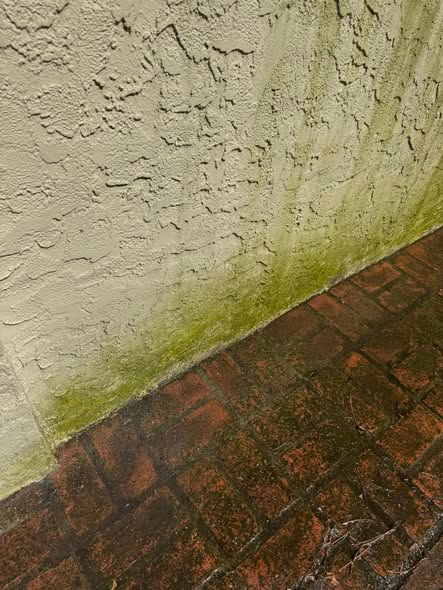
Algae stains are one of the most common yet frustrating problems homeowners face in Ventura County. These dark, streaky marks develop on siding when moisture combines with organic spores that thrive in our coastal climate. Unlike dirt or mildew, algae stains penetrate the surface of your siding and multiply over time, creating an increasingly dingy appearance that no amount of regular cleaning can remove.
The problem is particularly prevalent in Ventura County due to our proximity to the ocean, morning fog, and year-round mild temperatures. These conditions create the perfect environment for algae growth, especially on north-facing walls and areas shaded by trees or structures.
Why Algae Stains Damage More Than Just Appearance
Many homeowners assume algae is purely cosmetic, but this misconception can be costly. When left untreated, algae continues to grow and feed on your siding material, gradually breaking down the protective coating and weakening the structural integrity of your exterior walls. This accelerates aging and can lead to more serious damage requiring expensive repairs.
Beyond structural concerns, algae-stained siding significantly impacts your home’s curb appeal and market value. If you’re considering selling your Ventura County property, potential buyers immediately notice these stains and factor them into their offers. Studies show that homes with clean, well-maintained exteriors sell faster and for higher prices than comparable properties with visible algae staining.
The Dramatic Transformation: Before and After Results
Professional algae stain removal reveals the true color and condition of your siding. When Mr. Clean Pressure Washing removes algae buildup from residential properties across Ventura County, homeowners consistently report shock at the transformation. Siding that appeared permanently darkened and aged suddenly looks fresh, vibrant, and like new.
The before photos typically show extensive dark streaking concentrated on lower sections and shaded areas. After professional cleaning, that same siding emerges clean and uniformly colored, often looking 10-15 years younger. These results aren’t temporary either—professional cleaning removes the algae at its source, not just the surface layer.
Real-World Examples from Our Service Area
Homes in Oxnard with aged Hardiboard siding frequently show dramatic results after algae removal, with the underlying tan or cream color returning fully visible. Properties in Thousand Oaks with darker composite siding reveal rich, deep tones hidden beneath years of algae accumulation. Coastal Ventura residences benefit enormously, as salt air and ocean spray accelerate algae growth, making the contrast between before and after particularly striking.
What Makes Professional Cleaning Different from DIY Attempts
Homeowners often try pressure washing on their own or using consumer-grade cleaners, only to find the algae returns within months or that high-pressure water has damaged their siding. Professional algae removal in Ventura County requires specific expertise, equipment, and solutions.
Professional technicians understand the exact pressure levels safe for different siding materials, the optimal cleaning solutions that kill algae spores at the root, and application techniques that deliver lasting results. They also know how to protect landscaping, windows, and other sensitive areas during the cleaning process.
The Right Equipment and Solutions
Professional-grade equipment provides consistent, controlled pressure that removes algae without damaging siding fibers. Eco-friendly cleaning solutions are formulated specifically to target algae spores, preventing rapid regrowth. These solutions are biodegradable and safe for your landscaping, pets, and the Ventura County environment.
DIY pressure washing often strips protective coatings from siding and can force water behind exterior walls, leading to moisture damage and mold. Consumer-grade cleaners typically address only surface staining and don’t prevent algae from returning.
Identifying Quality Algae Removal Providers in Ventura County
When choosing a pressure washing company for algae stain removal, several factors distinguish reliable professionals from unreliable competitors.
- Experience with local Ventura County conditions and siding materials common to the area
- Proper licensing and insurance protecting your property and their work
- References from other Ventura County homeowners with verifiable before and after photos
- Clear written estimates explaining the scope of work and any additional treatments recommended
- Use of eco-friendly cleaning solutions appropriate for residential neighborhoods
- Warranty or guarantee on their work ensuring satisfaction with results
- Equipment maintained to professional standards with safety protocols in place
Ask potential providers about their approach to algae removal specifically. The best companies explain their process, discuss prevention strategies, and aren’t simply selling the lowest price.
Cost Considerations for Algae Removal in Ventura County
Algae stain removal costs in Ventura County typically range from $300 to $1,200 depending on home size, siding material, severity of staining, and extent of algae coverage. A 2,000-square-foot home with moderate algae staining usually falls in the $500-$800 range.
Pricing factors include the number of stories (two-story homes require specialized equipment and safety measures), accessibility of problem areas, and whether additional treatments like roof cleaning or fence washing are included in the service.
Long-Term Value Versus Short-Term Savings
While budget-conscious homeowners sometimes opt for cheaper alternatives, investing in professional algae removal protects your property’s value and prevents future damage. The cost of one professional cleaning often prevents thousands in siding replacement or repair costs down the road. For homeowners planning to sell, the investment returns many times over in increased sale price and faster closing time.
Prevention: Keeping Algae from Returning
After professional algae removal, homeowners can extend results through regular maintenance. Annual or bi-annual cleanings prevent algae from establishing heavy growth. Trimming tree branches to increase sun exposure on north-facing walls reduces moisture and slows algae development.
Gutter cleaning prevents water overflow that feeds algae growth on siding below. Some homeowners apply preventative treatments after professional cleaning, creating barriers that inhibit future algae spore attachment.
Schedule Your Algae Removal and See the Difference
The transformation from algae-stained siding to clean, vibrant exterior surfaces is one of the most satisfying home improvements you can make. In Ventura County, where our coastal climate naturally encourages algae growth, professional removal isn’t a luxury—it’s practical maintenance that protects and preserves your most valuable asset.
Mr. Clean Pressure Washing serves residential and commercial properties throughout Ventura County with professional algae removal that delivers lasting, dramatic results. Contact us today for a free estimate and see what your home can truly look like beneath those stubborn algae stains.
Latest / What’s NewTransform Your Pool Cage & Lanai See the Stunning Before & After Results LA Homeowners Are Getting
What Is Pool Cage and Lanai Cleaning?
A pool cage or lanai is more than just a structure—it’s an outdoor extension of your home where you spend time with family and friends. These screened or glass-enclosed spaces protect your pool area from debris, insects, and leaves while creating a comfortable gathering spot. Over time, however, pool cages and lanais accumulate stubborn buildup that regular hosing cannot remove: algae stains, mold growth, mineral deposits from hard water, pollen residue, and years of environmental grime.
Professional pool cage and lanai cleaning uses specialized pressure washing techniques and eco-friendly solutions to restore these surfaces to their original condition. The process safely cleans screens, frames, glass panels, roofing, and surrounding concrete or pavers without causing damage to delicate materials.
Why LA Homeowners Need Pool Cage Cleaning
Los Angeles weather creates the perfect storm for pool cage deterioration. Year-round sunshine accelerates algae and mold growth, while ocean salt air and urban smog leave mineral and chemical deposits on screens and glass. Even homes further inland experience pollen accumulation and dust buildup that makes your once-beautiful outdoor space look neglected and dingy.
Beyond aesthetics, a dirty pool cage presents real problems:
- Reduced visibility through screens and glass panels compromises your ability to enjoy the view
- Mold and algae growth can cause respiratory issues and allergies, especially for children and pets
- Clogged screens prevent proper airflow, making the space uncomfortably hot and humid
- Deteriorating appearance signals poor property maintenance to guests and potential buyers
- Neglected cages age faster, requiring costly repairs or replacement sooner than necessary
Property managers and HOA boards also recognize that well-maintained pool amenities directly impact resident satisfaction and property values across Los Angeles and Ventura County communities.
The Power of Before and After Transformations
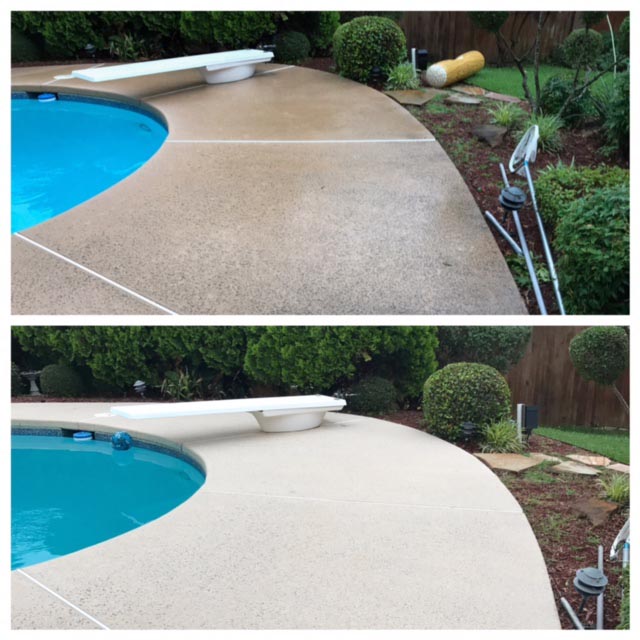
One of the most compelling reasons homeowners call for professional pool cage cleaning is witnessing the dramatic before and after results. A heavily stained cage that looks nearly unusable can transform into a sparkling outdoor oasis that becomes the neighborhood showpiece in a single afternoon.
Before professional cleaning, many pool cages appear:
- Covered in dark green or black algae stains across screens and frame
- Streaked with mineral deposits and hard water marks on glass panels
- Layered with years of accumulated dust, pollen, and debris
- Obscured by mold growth around roof edges and corners
- Surrounded by stained concrete or paver decking
After professional pressure washing and cleaning, the same space becomes:
- Crystal clear screens with bright white frames and perfect visibility
- Spotless glass panels that sparkle in sunlight
- Pristine roofing with no algae or discoloration
- Clean concrete and pavers that match the rest of your landscaping
- An inviting space that feels brand new and ready for entertaining
These transformations aren’t exaggerated—they’re the standard result when professional-grade equipment and techniques are applied correctly. Homeowners often remark that their pool cage looks better than when they first moved in.
What to Look for in a Pool Cage Cleaning Provider
Not all pressure washing companies understand the nuances of cleaning pool cages and lanais. The screens are delicate, the glass requires a gentle touch, and the roofing materials vary from home to home. When choosing a service provider in LA or Ventura County, prioritize these factors:
Experience with Pool Structures
Verify that the company has extensive experience cleaning pool cages, lanais, and similar structures. Ask for before and after photos of completed projects. A reputable provider should have a portfolio showing transformations similar to your property.
Proper Equipment and Techniques
Professional-grade pressure washers with adjustable PSI settings are essential. Too much pressure damages screens and frames; too little leaves stubborn stains. The right provider uses techniques tailored to your specific cage materials—aluminum, fiberglass screens, tempered glass, or vinyl.
Eco-Friendly Solutions
Chemical runoff from pressure washing flows into your pool, yard, and local water systems. Choose providers who use environmentally safe, biodegradable cleaning solutions that kill mold and algae without harming your family, pets, or the ecosystem.
Comprehensive Service
The best providers don’t just clean the cage—they also address surrounding areas. This includes the concrete or paver decking around the cage, which often requires matching treatment to achieve the full before-and-after effect.
Licensed and Insured
Professional contractors carry liability insurance and maintain proper licensing. This protects you if equipment damage or injury occurs during the cleaning process.
Pool Cage Cleaning Cost in Los Angeles
The cost of professional pool cage and lanai cleaning depends on several factors: the size of your cage, the extent of buildup, the materials involved, and whether additional areas like decking are included.
In Los Angeles and Ventura County, homeowners typically budget:
- Small pool cages (under 300 sq ft): $250–$400
- Medium pool cages (300–600 sq ft): $400–$700
- Large pool cages with lanai features (600+ sq ft): $700–$1,200
- Additional decking or paver cleaning: $100–$300
While these prices might seem like an investment, compare the cost to the alternative: replacing a corroded cage or repainting interior surfaces damaged by mold. Professional cleaning extends the lifespan of your cage by years while restoring its beauty immediately.
Many service providers offer seasonal cleaning plans at discounted rates, making regular maintenance more affordable. In Southern California’s climate, semi-annual cleaning (spring and fall) keeps your cage looking pristine year-round.
The Results Last Longer Than You’d Expect
Homeowners are often surprised by how long the results of professional pool cage cleaning last. With proper maintenance—a quick rinse-off every few weeks and regular filter cleaning—you can enjoy the
 Latest / What’s New
Transform Your Home’s Curb Appeal Brick and Stone Cleaning Before Selling in Los Angeles
The Power of First Impressions: Before and After Transformations
When preparing to sell your Los Angeles home, the exterior surfaces potential buyers see first make an enormous difference in their perception of value and condition. Brick and stone elements—whether on your facade, pillars, entryway, or surrounding hardscape—accumulate years of dirt, algae, mold, and oxidation that can make even well-maintained homes look aged and neglected. Professional brick and stone cleaning delivers dramatic before-and-after transformations that can immediately elevate your property’s market appeal and justify higher asking prices.
The difference between a dingy, stained exterior and a freshly cleaned brick and stone surface is often the deciding factor that turns a casual showing into a serious offer. When buyers walk up to your property, they’re already forming judgments within seconds. Clean, vibrant brick and stone signal that the home has been cared for, both aesthetically and structurally.
What Is Professional Brick and Stone Cleaning?
Professional exterior brick and stone cleaning involves specialized equipment, techniques, and eco-friendly solutions designed to safely remove years of buildup without damaging the material or grout. Unlike pressure washing, which can harm soft brick or mortar with excessive force, proper brick and stone cleaning uses controlled-pressure systems, specialized brushes, and pH-balanced cleaning agents.
The process typically includes:
- Pre-treatment with biodegradable cleaning solutions that break down organic growth and mineral deposits
- Gentle agitation using soft-bristle brushes or specialized equipment
- Rinse-down using appropriate water pressure levels for your specific brick or stone type
- Optional sealing to protect against future staining and weathering
This approach ensures that delicate mortar joints, historic masonry, and natural stone textures remain intact while achieving stunning cleaning results.
Why Brick and Stone Cleaning Matters Before Selling
Buyers invest significant time researching properties online before visiting in person. Photos of your listing are the first impression, and clean brick and stone in those images dramatically improve click-through rates and showing requests. In competitive Los Angeles real estate markets, visual appeal directly impacts how many serious buyers you attract.
Beyond photos, brick and stone cleanliness affects actual property valuations. Real estate appraisers and inspectors evaluate the home’s exterior condition. Stained, moldy, or discolored brick and stone may raise red flags about water infiltration, structural issues, or poor maintenance—even if the underlying materials are perfectly sound. Cleaning removes those false concerns and strengthens your home’s perceived structural integrity.
Additionally, exterior staining often reappears over time if not properly sealed. Professional cleaning followed by appropriate sealant application ensures your cleaned surfaces stay beautiful through the entire selling process and beyond.
Visible Before and After Results You’ll See
The transformation from a brick and stone cleaning project is immediately visible and dramatic. Most homeowners are surprised by the extent of discoloration and buildup that cleaning reveals. Here’s what typically changes:
Brick Facades: Years of black mold, algae, and oxidation disappear, revealing the true color and character of the brick. Russet, salmon, tan, and cream tones that were barely visible beneath the grime suddenly come alive. Your home’s architectural style—whether classic colonial, Spanish revival, or modern farmhouse—finally shows itself authentically.
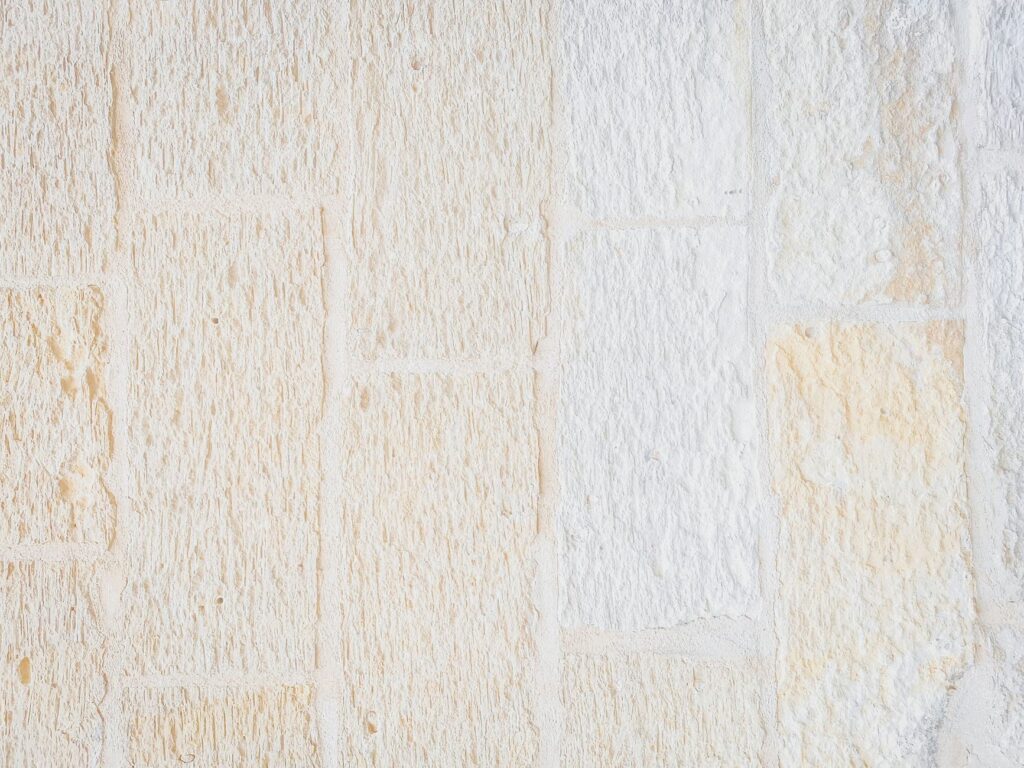
Stone Surfaces: Whether limestone, granite, flagstone, or travertine, professional cleaning removes mineral deposits and weathering stains that accumulate from rain, sprinklers, and atmospheric pollution. Stone regains its natural luster and depth of color, making your home’s premium materials look genuinely valuable again.
Entryways and Pillars: These focal points often show the most dramatic transformation. Entrance columns and pillar stones that looked tired or dated suddenly command attention and convey permanence and quality to arriving guests and buyers.
Hardscape Elements: If your property includes brick pavers, stone steps, or decorative stone walls, these surfaces benefit equally from professional cleaning. Uniform color and spotless appearance dramatically improve overall property presentation.
What to Look for in a Brick and Stone Cleaning Provider
Not all pressure washing companies understand the nuances of cleaning brick and stone safely and effectively. Before hiring, verify these key qualifications:
Specialized Equipment: Confirm they use adjustable-pressure systems, soft-bristle attachments, or specialized brick and stone cleaning equipment—not standard pressure washers set to residential settings.
Eco-Friendly Solutions: Ask about the cleaning products used. Quality providers use biodegradable, pH-balanced solutions that protect the environment, your landscaping, and nearby surfaces.
Experience with Varied Materials: Not all brick and stone respond to identical treatment. Experienced providers understand the differences between hard and soft brick, various stone types, mortar conditions, and when sealing is appropriate versus unnecessary.
Before and After Portfolio: Request photos of previous brick and stone cleaning projects, specifically on residential homes for sale. This demonstrates their ability to deliver the dramatic results you need.
Insurance and References: Legitimate companies carry liability insurance and provide references from satisfied customers. Don’t hire uninsured contractors—the liability risk isn’t worth any savings.
How Much Does Brick and Stone Cleaning Cost?
In Los Angeles and Ventura County, professional brick and stone cleaning typically ranges from $1,500 to $5,000 for a full residential home exterior, depending on square footage, material type, level of soiling, and whether sealing is included.
Pricing factors include:
- Total square footage of brick and stone surfaces
- Extent of staining, mold, or oxidation present
- Material type and fragility (soft brick costs more than hard brick)
- Accessibility and safety complexity
- Optional protective sealing application
- Regional labor rates in your specific Los Angeles or Ventura location
While this investment may seem substantial, the return on investment during home sale often exceeds the cleaning cost by thousands of dollars. Many homes recover the full cleaning expense through higher buyer perception and justified asking prices.
Timing Your Brick and Stone Cleaning Before Selling
Schedule professional cleaning 2-4 weeks before listing your home. This timing allows for:
- Cleanup and final touches before professional photos are taken
- Full visibility in online listings when buyer interest is highest
- Sealed surfaces to fully cure before showings begin
- Time to address any unexpected issues revealed during cleaning
Avoid cleaning immediately before listing—you want maximum impact throughout the entire showing period, not just on day one.
Get Your Los Angeles Home Exterior Ready to Sell
Your brick and stone deserve professional care before you put your Los Angeles home on the market. The before-and-after transformation speaks directly to potential buyers’ emotions and valuations. Mr. Clean Pressure Washing specializes in residential brick and stone cleaning throughout Los Angeles and Ventura County, delivering the dramatic results that make homes sell faster and for higher prices. Contact us today for a free consultation and see exactly what your property can look like when professionally cleaned.
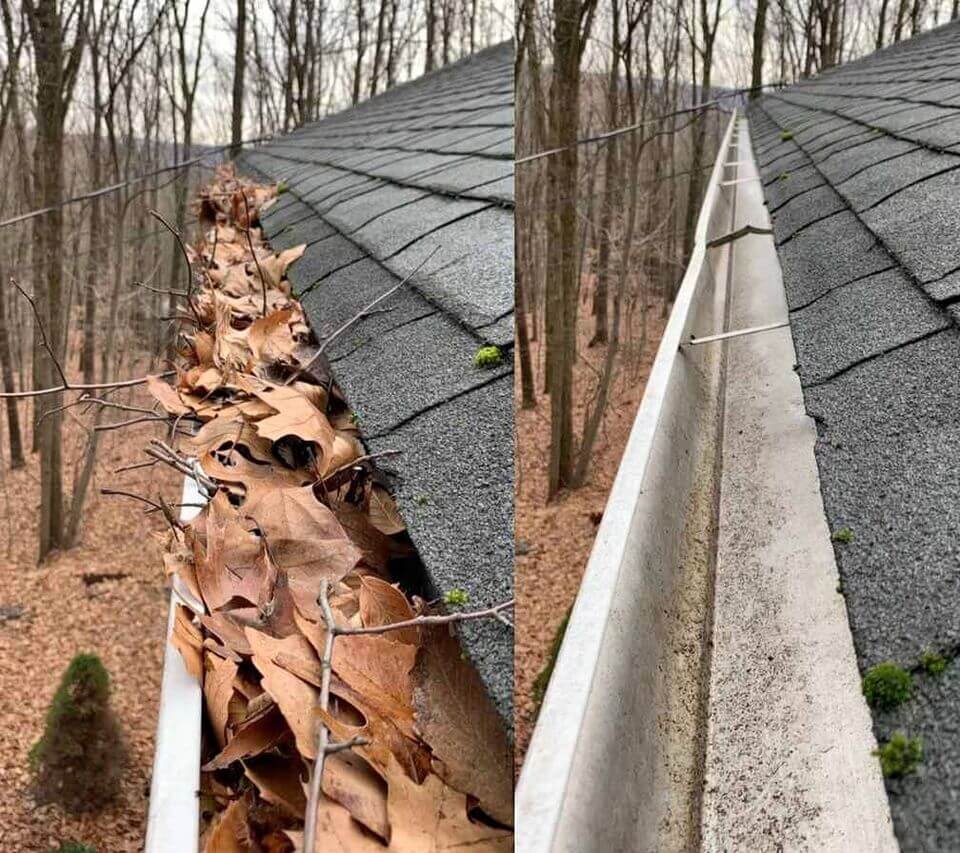 Latest / What’s New
Stop Making These Costly Mistakes With Your Gutter and House Washing in Los Angeles
The Hidden Costs of DIY Gutter and House Washing
Your home’s exterior takes a beating in Los Angeles and Ventura County. Between coastal salt air, intense UV exposure, and seasonal debris accumulation, gutters and siding deteriorate faster than most homeowners realize. Yet thousands of property owners in the region continue making preventable mistakes that turn a simple maintenance task into an expensive repair problem.
The real issue isn’t that homeowners are careless—it’s that they don’t understand the risks involved with improper gutter cleaning and house washing techniques. When these services are done wrong, you’re not just looking at a dirty home. You’re facing potential water damage, foundation issues, gutter system failures, and accelerated deterioration of your property’s most visible assets.
Mistake #1: Putting Off Gutter Cleaning Too Long
This is the number one error we see across Los Angeles properties. Homeowners wait until gutters are visibly overflowing or they notice water pooling near the foundation before calling for service. By that point, damage is already underway.
Clogged gutters in LA accumulate debris year-round—leaves from surrounding trees, coastal salt residue, and dirt buildup all contribute to blockages. When water can’t flow properly through your gutters and downspouts, it backs up and spills over the edges. This water then seeps into your fascia boards, soffit, and eventually into your walls and attic.
Professional gutter cleaning should happen at minimum twice yearly in Los Angeles, more frequently if you have large trees nearby. A combined gutter cleaning and house washing package deal addresses both issues during a single service visit, eliminating the need to schedule contractors separately and saving you money on multiple trip charges.
Mistake #2: Using Incorrect Pressure Washing Techniques on House Siding
Many homeowners attempt DIY pressure washing or hire inexperienced contractors who use excessive water pressure on delicate surfaces. High-pressure streams can strip paint, damage wood siding, force water behind vinyl panels, and even etch certain types of stucco common throughout Ventura County.
Your home’s exterior materials require different pressure levels and washing techniques. Vinyl siding needs lower pressure than concrete driveways. Stucco requires specialized equipment to avoid pitting. Roof surfaces demand extra caution to prevent shingle damage.
Professional service providers understand these material-specific requirements and use eco-friendly cleaning solutions combined with appropriate pressure levels to safely restore your home’s appearance without causing hidden damage that manifests months later.
Mistake #3: Neglecting the Connection Between Gutter and Siding Cleanliness
Many property owners treat gutter cleaning and house washing as separate, unrelated tasks. This approach misses a critical opportunity: dirty gutters directly contribute to dirty siding below.
When gutters are clogged, overflow water runs down your house exterior, leaving water stains, mineral deposits, and algae growth. Simultaneously, debris falling from the gutters lands on your siding, creating visible dirt lines and organic growth patterns. Cleaning gutters without washing the house means you’re solving only half the problem—the stains and discoloration remain.
This is precisely why package deals combining gutter cleaning and house washing make financial sense. You address both issues comprehensively during one service visit, achieving superior results at a better price than booking them separately.
Mistake #4: Choosing Service Providers Based on Price Alone
The cheapest estimate isn’t always the best value. Some contractors quote low prices by cutting corners—using insufficient cleaning solutions, skipping gutter flushing steps, or applying inappropriate pressure levels that cause invisible damage.
When evaluating gutter cleaning and house washing providers in Los Angeles, look for companies that:
- Use professional-grade equipment rated for residential properties
- Employ eco-friendly cleaning solutions safe for your landscaping and local waterways
- Offer detailed package pricing that breaks down what’s included
- Provide clear before-and-after documentation
- Include warranties or guarantees on their work
- Have verifiable local experience with LA and Ventura County properties
Mid-range pricing from experienced professionals typically delivers better long-term value than rock-bottom quotes that risk property damage.
Mistake #5: Ignoring Seasonal Timing in Southern California
Los Angeles has an unconventional climate for property maintenance. Winter brings occasional heavy rains (November through March) when clean gutters are absolutely essential. But late spring and summer accumulate dust and debris blown from inland areas.
Many homeowners wait until obvious problems appear before scheduling service. Instead, strategic timing prevents issues: spring cleaning before the rainy season, followed by fall cleanup after summer dust accumulation. Package deals that combine gutter cleaning with house washing work particularly well during these seasonal windows, addressing both spring dust and preparing your home for winter weather.
What Professional Gutter Cleaning and House Washing Actually Includes
Understanding what
 Latest / What’s New
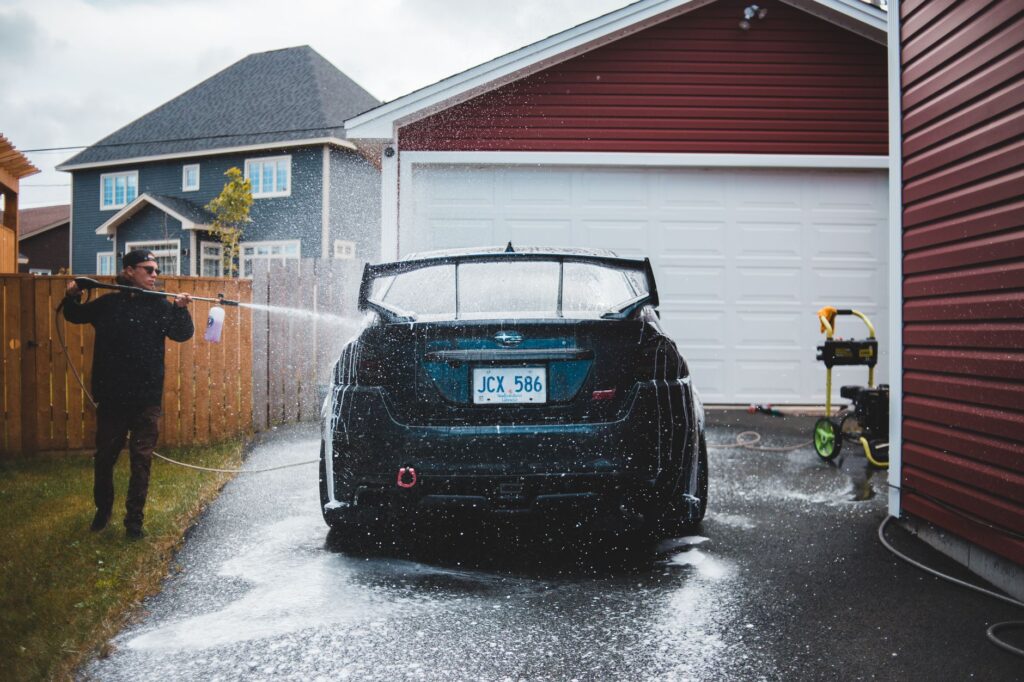
How Professional Concrete Driveway Cleaning Boosts Your Home’s Value and First Impression
Your Driveway Is Your Property’s Welcome Mat
When potential buyers, guests, or clients approach your home or business, the driveway is one of the first things they notice. A dirty, stained, or algae-covered concrete driveway sends a message that the property hasn’t been well-maintained, even if everything else is in perfect condition. Professional concrete driveway cleaning isn’t just about aesthetics—it’s a strategic investment in your property’s perceived value and actual market appeal.
In Los Angeles and Ventura County, where outdoor living spaces and curb appeal directly influence property values, keeping your driveway spotless has become an essential part of home maintenance. Whether you’re planning to sell, rent out your property, or simply want your home to look its best, a clean driveway makes an immediate impact.
Why Concrete Driveways Get Dirty So Fast
Concrete is porous, which means it absorbs dirt, oil, algae, mold, and mineral deposits over time. Southern California’s climate, with its dry summers and occasional winter moisture, creates the perfect conditions for staining and discoloration. Vehicle oil leaks, tree sap, rust from metal objects, and airborne pollutants all settle into the concrete’s surface.
The longer these contaminants sit, the deeper they penetrate, making them harder—and more expensive—to remove. Regular professional cleaning prevents permanent staining and extends the life of your concrete by years or even decades.
How Professional Cleaning Impacts Curb Appeal
Curb appeal isn’t just a real estate term—it’s a measurable factor in property value. Studies show that homes with excellent curb appeal sell faster and for higher prices. A clean driveway is often the single most cost-effective improvement you can make to boost that first impression.
Professional pressure washing removes layers of grime, revealing the original concrete color and texture beneath. This transformation can make a tired-looking property look freshly renovated, even if no other work has been done. For commercial properties, property managers, and HOAs, a pristine driveway conveys professionalism, responsibility, and attention to detail.
What Professional Concrete Driveway Cleaning Includes
Professional cleaning services go far beyond what a homeowner can accomplish with a garden hose or a consumer-grade pressure washer. Here’s what you can expect from a legitimate provider:
- High-pressure washing: Commercial-grade equipment delivers 3,000-4,000 PSI (pounds per square inch), removing dirt, algae, and stains that residential equipment can’t budge.
- Pre-treatment solutions: Eco-friendly cleaning agents break down oil stains, rust, and biological growth before pressure washing begins.
- Surface protection: Some providers apply sealants after cleaning to protect the concrete from future staining and UV damage.
- Customized approach: Different stains require different treatment methods. Professionals assess your driveway’s condition and adjust their technique accordingly.
- Safety and property protection: Professional crews know how to avoid damaging surrounding landscaping, vehicles, and delicate surfaces while cleaning.
Choosing the Right Concrete Cleaning Provider
Not all pressure washing companies are created equal. When searching for
 Latest / What’s New
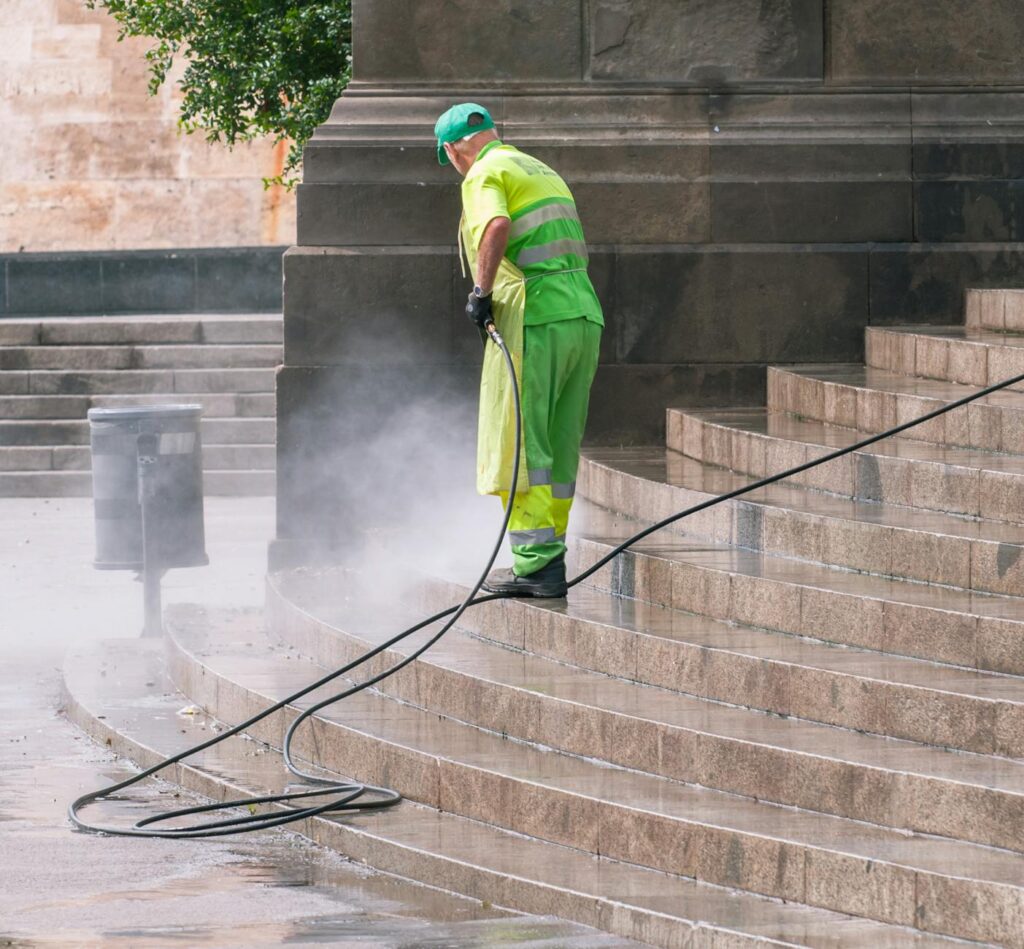
What Does HOA Common Area Pressure Washing Really Cost in California?
Understanding HOA Common Area Pressure Washing Costs in California
If you’re an HOA board member or property manager in California, you’ve likely faced the question: how much should we budget for common area pressure washing? The answer isn’t as straightforward as a single price tag, but understanding the factors that drive costs can help you make informed decisions that protect your community’s appearance while staying within budget constraints.
Pressure washing is a critical maintenance requirement for California HOAs. From parking lots and sidewalks to building exteriors and amenity areas, regular cleaning prevents liability issues, extends the life of surfaces, and maintains property values. However, pricing varies significantly based on location, scope of work, and service provider expertise.
What Is HOA Common Area Pressure Washing?
HOA common area pressure washing refers to professional exterior cleaning of shared community spaces. This typically includes:
- Parking lots and driveways
- Sidewalks and walkways
- Building facades and siding
- Roofing surfaces
- Pool decks and recreational areas
- Fence lines and perimeter areas
- Stairwells and entryways
- Landscaping hardscapes
California HOAs are often required by state law and local codes to maintain these areas in safe, clean condition. Neglecting common area maintenance can result in code violations, liability lawsuits, and decreased property values throughout the community.
Why California HOAs Must Budget for Professional Pressure Washing
California’s climate creates unique pressure washing needs. Coastal communities in Los Angeles and Ventura County experience salt spray damage, while inland areas face dust accumulation and algae growth. Regular pressure washing addresses these issues before they become expensive repairs.
Additionally, California Property Maintenance Standards and local municipal codes often require HOAs to maintain common areas in a clean and presentable condition. Documentation of regular maintenance protects your HOA from liability claims and demonstrates good stewardship to residents.
Typical HOA Pressure Washing Pricing in Los Angeles and Ventura County
Pricing for HOA common area pressure washing typically falls into these categories:
Small Residential Communities (Under 50 Units)
Budget $1,200 to $2,500 per service for quarterly cleaning. These communities usually have limited common areas—perhaps a small parking lot, entrance, and walkways. Annual costs typically range from $4,800 to $10,000 depending on the extent of surfaces needing cleaning and the frequency of service.
Mid-Size Communities (50-150 Units)
Expect to pay $2,500 to $5,000 per service visit. These complexes generally include larger parking areas, multiple building facades, and recreational amenities. Annual budgets often fall between $10,000 and $20,000 for quarterly maintenance schedules.
Large Communities (150+ Units)
Pricing ranges from $5,000 to $15,000 or more per service. Large communities with extensive parking, multiple buildings, pools, and landscaped areas require more equipment, time, and labor. Annual budgets can exceed $40,000 depending on the property’s size and condition.
Key Pricing Factors That Affect Your HOA Costs
Service Frequency
One-time cleaning costs less than quarterly or semi-annual service plans. However, regular maintenance is more cost-effective long-term and prevents surface damage. Most California HOAs benefit from quarterly scheduling to combat salt spray, dust, and mold growth.
Surface Types and Conditions
Concrete cleaning typically costs less than roof cleaning. Heavily soiled or stained surfaces requiring specialized treatments will increase pricing. Algae or mold removal on roofs and shaded areas costs more than standard concrete cleaning.
Water Usage and Eco-Friendly Solutions
California’s water regulations affect pricing. Providers using reclaimed water systems or eco-friendly cleaning solutions may charge slightly more upfront but comply with state water conservation requirements. This is an important compliance consideration for California HOAs.
Equipment and Labor Requirements
Complex access situations—multi-story buildings, tight spaces, or areas requiring special safety equipment—increase labor costs. Providers must account for setup time, safety protocols, and specialized equipment rental.
Travel Distance
Providers serving Los Angeles and Ventura County may charge different rates based on location. Remote areas or properties requiring longer travel time may incur additional fees.
What to Look for in a Pressure Washing Provider
Beyond just price, consider these factors when selecting a vendor:
California Compliance Knowledge
Choose a provider familiar with California water restrictions, environmental regulations, and HOA liability requirements. They should understand local codes and compliance documentation.
Insurance and Bonding
Verify that your vendor carries proper liability insurance and workers’ compensation coverage. This protects your HOA from financial risk if accidents or property damage occur during service.
Equipment and Methodology
Professional-grade pressure washing equipment delivers better results and protects surfaces from damage. Eco-friendly cleaning solutions demonstrate environmental responsibility and California compliance.
References and Track Record
Request references from other California HOAs they’ve serviced. Ask about their experience with properties similar to yours and get written quotes that clearly itemize all costs.
Transparent Pricing
Reputable providers offer detailed quotes showing cost breakdowns by area. Avoid vendors with vague pricing or hidden fees that appear after work begins.
Cost-Saving Strategies for HOA Boards
Implement these approaches to optimize your pressure washing budget:
Annual Service Contracts: Many providers offer 10-20% discounts for annual agreements versus per-service rates.
Seasonal Scheduling: Coordinate pressure washing with other maintenance needs to reduce multiple service calls.
Preventive Maintenance: Regular quarterly cleaning costs less than addressing severe staining or damage that requires specialized treatments.
Competitive Bidding: Obtain quotes from multiple providers annually. Competition keeps pricing reasonable while ensuring quality service.
Documentation: Maintain records of all pressure washing services. Documentation protects your HOA if disputes arise and justifies budgeted expenses to residents.
California-Specific Considerations Affecting Price
California’s unique regulatory environment impacts HOA pressure washing costs. Water restrictions in certain counties may limit service availability or require special handling of runoff water. Some areas require providers to recycle or properly dispose of cleaning wastewater, adding to service costs. Understanding these regional requirements helps you budget more accurately and ensure compliance.
Conclusion
HOA common area pressure washing costs in California typically range from $1,200 to $15,000 per service depending on community size, property condition, and service frequency. While price is important, selecting a provider who understands California compliance requirements, carries proper insurance, and delivers quality results protects your HOA long-term.
Ready to get your HOA common areas professionally cleaned while staying compliant with California standards? Mr. Clean Pressure Washing has years of experience serving Los Angeles and Ventura County HOAs with competitive pricing and guaranteed compliance. Contact us today for a free, detailed quote tailored to your community’s specific needs.
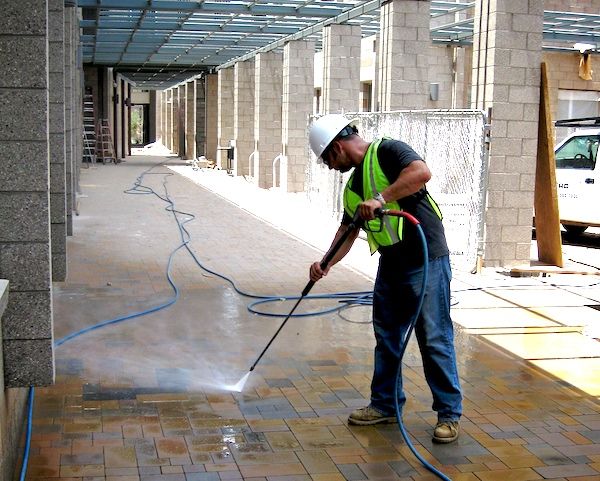 Latest / What’s New
Transform Your Property Professional Post-Construction Cleanup Results in Los Angeles County
Transform Your Property: Professional Post-Construction Cleanup Results in Los Angeles County
When construction finishes, the real work begins. Dust coats everything. Debris scatters across your property. Concrete splatter marks your driveway. For homeowners and commercial property owners across Los Angeles and Ventura County, post-construction debris cleanup can feel overwhelming. But here’s the truth: professional exterior cleaning transforms these messy aftermath scenes into pristine properties faster than you’d think possible. The before and after difference is remarkable—and absolutely worth the investment.
What Is Post-Construction Debris Cleanup?
Post-construction debris cleanup goes beyond sweeping up loose materials. It’s a comprehensive exterior restoration service that removes construction dust, concrete splatter, paint overspray, caulk residue, adhesive drips, and general buildup from every exterior surface of your property. This includes:
- Exterior walls and siding
- Windows and glass surfaces
- Driveways and parking areas
- Patios and decks
- Roof surfaces
- Fences and gates
- Landscaping features and hardscaping
- Gutters and downspouts
- Entry doors and frames
Construction projects—whether they’re home renovations, new builds, roof replacements, or commercial improvements—leave stubborn residue that regular cleaning cannot remove. Professional pressure washing and soft-washing techniques designed specifically for post-construction scenarios safely eliminate these materials while protecting your property’s integrity.
Why Homeowners and Business Owners Need Professional Post-Construction Cleanup
After investing tens of thousands of dollars in construction work, leaving your property covered in construction debris defeats the entire purpose. Here’s why professional cleanup matters:
Health and Safety Concerns
Construction dust contains silica and other particles that pose respiratory risks. Concrete splatter creates slip hazards. Debris accumulation attracts pests. Professional cleanup eliminates these health threats immediately, making your property safe for family members, employees, and visitors.
Protecting Your Investment
New construction elements—fresh siding, updated windows, new concrete—deserve proper presentation. Leaving them covered in dust and splatter gives the impression of incomplete work. Professional cleanup reveals the true quality of the construction investment you just made.
Time Efficiency
DIY post-construction cleanup requires hours of labor and specialized equipment most homeowners don’t own. Professional crews complete comprehensive cleanup in hours, not days, so you can actually enjoy your newly constructed or renovated space.
Moving In or Opening for Business
If your construction project precedes a move-in date or business opening, delays in cleanup delay everything else. Professional crews ensure your timeline stays on track and your property opens to clients, tenants, or family in pristine condition.
The Before and After Reality of Professional Post-Construction Cleanup
The transformation is dramatic. A home’s exterior that looks dingy and incomplete suddenly gleams. Driveways that appear permanently stained reveal their true finish color. Roof surfaces go from gray-white with dust to their natural dark shingles. Windows that looked hazy transform into crystal-clear glass. Fences reveal clean wood or like-new finish under layers of construction dust.
These before and after results aren’t exaggerated. They reflect what professional-grade equipment and expert technique actually accomplish. Homeowners consistently report that professional post-construction cleanup reveals their newly completed work in the best possible light—which means greater satisfaction with their investment and improved property value perception.
For commercial properties, the difference between a construction-dusty exterior and a professionally cleaned one affects customer first impressions, employee pride, and property market value. A retail location, office building, or industrial facility that opens clean and professional attracts better tenants, customers, and business reputation.
What to Look for in a Post-Construction Cleanup Provider
Not all pressure washing companies understand post-construction cleanup. The service requires specific knowledge and equipment choices. When evaluating providers in Los Angeles and Ventura County, prioritize these qualities:
Experience with Construction Materials
The best providers understand how different construction residues behave. Concrete splatter requires different technique than paint overspray. They know which pressure levels work on new siding versus established surfaces. They understand that some materials need soft washing rather than high-pressure jets.
Eco-Friendly Solutions
Construction cleanup sometimes requires heavy-duty cleaning agents. Look for providers who use biodegradable, environmentally responsible solutions that clean effectively without harming landscaping, storm drains, or local water systems.
Insurance and Licensing
Post-construction cleanup happens on valuable new property. Your provider should carry liability insurance and maintain proper licensing. This protects you if any property damage occurs during cleaning.
Comprehensive Equipment
Professional post-construction cleanup requires pressure washers, soft-wash systems, specialized nozzles, surface-specific brushes, and sometimes industrial cleaning agents. Providers with comprehensive equipment can handle any construction residue challenge your property presents.
Reference and Portfolio
Ask for before and after photos from previous post-construction projects. References from general contractors, property managers, and homeowners who’ve hired them for similar work provide confidence in their results.
Cost Guidance for Post-Construction Debris Cleanup in Los Angeles County
Post-construction cleanup pricing varies based on property size, construction scope, residue severity, and accessibility. For Los Angeles and Ventura County properties:
- Residential properties: $400–$1,200 depending on square footage and project complexity
- Commercial properties: $800–$3,000+ based on building size and construction intensity
- Additional services: Roof cleaning, window cleaning, or detailed concrete restoration add $200–$600 each
Most professionals offer free on-site estimates. During your consultation, explain the construction scope and ask specifically about their post-construction experience. Quality cleanup is an investment in revealing the true value of your construction project, not an expense to minimize with the cheapest option.
Scheduling Your Post-Construction Cleanup
The ideal timing is within two weeks of substantial construction completion. Early scheduling prevents dust from settling deeper into crevices and prevents weather from bonding residue to surfaces. Most properties are completed and ready for cleanup within this window.
Coordinate with your contractor to confirm construction wrap-up timing. Professional cleanup providers typically schedule jobs quickly—often within 3–7 days of your call—to serve the high demand from construction season activity in Los Angeles County.
Conclusion: Reveal the Beauty of Your New Construction
Post-construction debris cleanup isn’t optional if you want your newly completed construction to look its best. The before and after transformation is remarkable—from construction-dusty and incomplete-looking to pristine and ready to enjoy. For homeowners and commercial property owners across Los Angeles and Ventura County, professional exterior cleanup services make this transformation happen quickly, safely, and affordably.
Don’t let construction dust overshadow your investment. Contact Mr. Clean Pressure Washing today for a free estimate on professional post-construction cleanup. We’ll transform your property’s exterior and reveal the true quality of your newly completed work. Call now to schedule your transformation.